 English
  Русский
How to remove a seized bolt or nut
Updated:
To remove a seized bolt, spray a penetrating product onto the thread, let it soak in for at least 10–15 minutes and undo the bolt with a spanner that fits exactly, without jerking. Liquid wrench helps dissolve rust, displaces moisture and cleans old dried dirt and grease out of the joint. Heavily rusted joints are treated again.
What you need
Why bolts seize
A bolt seizes when moisture gets into the thread and the metal rusts: corrosion products fill the gap between the threads and lock the joint, along with old dried dirt and grease. Pulling hard straight away can round off the flats or strip the thread. So first soak the joint with a product that penetrates the thread and helps dissolve rust.
How to remove a seized bolt: step by step
- Clean the joint. Brush dirt and flaking rust off the bolt head, nut and exposed thread so the product can reach the gap.
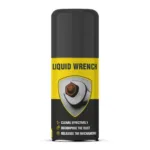
- Shake the can. Always shake NANOPROTECH Liquid wrench before use. Apply it at 0 °C to +25 °C.
- Spray the thread. Treat the point where the thread leaves the nut or part, and the joint under the bolt head.
- Let it soak in. Wait at least 10–15 minutes for the product to penetrate the thread and rust; soak a badly seized joint longer by repeating the treatment.
- Use the right tool. Take a spanner or socket of exactly the right size: a ring spanner or socket grips the flats more securely than an open-ended one.
- Turn smoothly. Increase the force gradually, without jerking. If the bolt will not move, do not push harder — go to the next step.
- Repeat the treatment. Treat heavily rusted or oxidised joints again, let the product soak in, then try again.
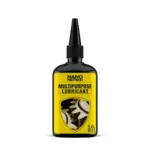
- Protect the thread afterwards. Clean the thread and treat it with New generation multipurpose lubricant: shake the can, spray from 20–30 cm and wait 10 minutes. It protects metal against corrosion and moisture.
Why it may not work
- No time to soak in. Undoing the bolt straight after spraying does not work: wait at least 10–15 minutes.
- Working in the cold. Liquid wrench is applied at 0 °C to +25 °C: in frost the can sprays poorly and the product penetrates more slowly. In winter keep the can warm and, if possible, work in a heated garage.
- Something other than rust holds the thread. A penetrating product does not dissolve threadlocker, paint, sealant, plumber's hemp with paste or limescale on plumbing. If several treatments have not moved the joint, this is the likely cause.
- Silicone lubricant was used. It is meant for rubber seals and rubbing mechanisms of metal, plastic and rubber and does not dissolve rust; seized threads need Liquid wrench.
Safety precautions
- The can is pressurised and the product is flammable. Do not spray it near open flames, onto red-hot parts, a hot engine or exhaust system, or onto live equipment.
- Do not heat a treated joint with a torch, blowlamp or heat gun. If the joint has been heated, apply the product only once the part has fully cooled. Do not pour it into spark plug wells.
- Keep the products off brake discs, pads and caliper guide pins; remove any that gets on them with brake cleaner before driving.
- Do not use Liquid wrench inside mixer taps, tap cartridges or drinking water pipes.
- Do not leave the can in the sun or a hot car, heat it above +50 °C, or pierce or burn it, even when empty. Work in a well-ventilated room. If the product gets into the eyes, rinse with water; on skin, wash with soap and water. Keep cans out of the reach of children.
Frequently asked questions
How long should Liquid wrench soak in?
At least 10–15 minutes. Do not undo the bolt straight after spraying. Treat a heavily rusted bolt again and let it soak longer.
What if the bolt still will not move?
Repeat the treatment, letting the product soak in each time, and check the tool and conditions: an exact-size spanner or socket, smoothly increasing force, 0 °C to +25 °C. If several treatments do not help, threadlocker, paint or limescale is holding the joint, not rust.
How do I avoid rounding off the flats or stripping the thread?
Use an exact-size ring spanner or socket and do not jerk. Soaking the thread first helps dissolve rust and frees the jammed joint.
How do I stop bolts seizing?
Treat the thread with New generation multipurpose lubricant: it protects metal against corrosion and moisture and does not freeze down to −40 °C. Lubricate wheel bolts and other joints with a specified tightening torque only if the vehicle manufacturer allows it; a thread that will take threadlocker should instead be cleaned and degreased.
Liquid wrench or lubricant: which frees a seized bolt?
Liquid wrench: it is a specialised product for undoing seized threaded connections. New generation multipurpose lubricant also eases rusted mechanisms, but its job is lubrication and corrosion protection, so it goes on the thread once the bolt is out.
More solutions
- How to remove rust from metal: car bodies, tools and fasteners
- Rustproofing car cavities, sills and the underbody yourself
- How to fix rust spots on a car body yourself
- How to clean oxidised electrical contacts and protect them from moisture
- What to put on battery terminals to stop corrosion
- Car won’t start after rain or misfires after an engine wash: how to protect the electrics from moisture
Still have questions?
Describe your task and a NANOPROTECH technical specialist will suggest the right product and how to use it.