 English
  Русский
How to lubricate car door seals to stop them freezing and squeaking
Updated:
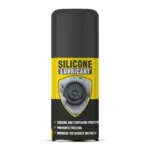
To lubricate car door seals so they do not freeze or squeak, use a silicone lubricant free of mineral oils and fats. It repels water, stops the rubber freezing in winter and reduces drying-out in summer. Spray it onto a cloth and wipe clean, degreased seals at 0 °C to +28 °C — this keeps the product off the glass and paintwork.
What you need
Why doors freeze and squeak
Water from washing, rain or wet snow stays between the seal and the body and freezes in frost, so ice holds the door shut. Squeaks start when dried-out rubber rubs against metal and plastic. Silicone lubricant repels water and reduces drying-out of rubber, so it helps in both cases. It is transparent, does not stain or evaporate and is safe for paintwork.
How to lubricate car door seals: step by step
- Choose the time. Treat the seals in advance, before the frosts. Silicone lubricant is applied at 0 °C to +28 °C.
- Clean the seals. Wash the seals on the doors and door openings, boot and bonnet with warm water and car shampoo, degrease them with a cloth moistened with isopropyl alcohol if needed, and let the rubber dry. Do not use petrol, acetone or solvents for this.
- Shake the can. This is essential before use.
- Spray onto a cloth. Spray NANOPROTECH Silicone lubricant spray onto a clean rag, not directly onto the rubber. This way it goes on evenly and does not get onto the glass and paintwork.
- Wipe the seals. Run the cloth along the full length of the seals on the doors and openings, the boot lid and the bonnet.
- Let it dry. Leave the doors open for 10–15 minutes so the solvent evaporates, then wipe off the excess with a dry cloth. There is no need to wash the car straight after treatment.
- Lubricate hinges and locks. Silicone lubricant suits them too: it protects against squeaks and stops mechanisms freezing in winter. See how to lubricate a lock and how to fix a squeaky door.
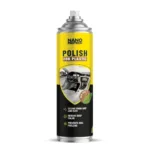
If you treat the interior with NANOPROTECH Car plastic polish, go over the seals as well: it also protects rubber from freezing in winter. Shake the can, spread the polish evenly over a clean, dry surface at +5 °C or above, let it soak in for 2 minutes and wipe thoroughly with a dry cotton cloth. For regular seal care, silicone lubricant remains the main product.
Why it may not work
- The seals were dirty. The lubricant goes onto clean, degreased rubber: clean the seals first, then lubricate them.
- The seals were treated in frost or while wet. Treat them before the temperature drops below 0 °C. After a winter wash, wipe the seals and door openings dry and treat them in a warm room once no moisture is left.
- The lubricant was sprayed straight onto the seal. It then gets onto the glass, interior plastic and floor. Wipe off any overspray at once with a dry cloth: it leaves marks on glass and plastic and makes the floor slippery.
- The polish was not wiped off. After 2 minutes, wipe the surface thoroughly with a dry, clean cotton cloth.
Safety precautions
Silicone lubricant and the polish are aerosols in pressurised cans and are flammable. Do not heat the can above 50 °C or leave it in direct sunlight. Do not spray near open flames, hot objects or live equipment. Work in a well-ventilated place. Keep the lubricant off floors, pedals and tyres — they become slippery. Keep cans out of the reach of children and do not pierce or burn them, even after use. If the product gets into the eyes, rinse with water; on skin, wash with soap and water.
Frequently asked questions
What should I put on car door seals for winter?
Silicone lubricant: it repels water and stops rubber seals freezing. Plastic polish also protects against freezing — it is handy to apply it to the seals while treating the interior.
When should door seals be treated?
In advance, before the frosts, and then as needed — after washes and thaws, when the rubber starts sticking or squeaking again. Apply silicone lubricant at 0 °C to +28 °C and the polish at +5 °C or above, to clean, dry rubber.
Can silicone lubricant be used on window and boot seals?
Yes. It suits the seals on doors, the bonnet, the boot and windows, in the car and on PVC windows at home. Apply it with a cloth so it does not get onto the glass.
What if the door is already frozen shut?
Do not yank the door or handle — you can tear the seal — and do not pour hot water on it: it will freeze again. Let the ice thaw, for example in a warm garage, then clean and dry the seals. Treat them with silicone lubricant so the door does not freeze again.
Will the lubricant damage the paintwork?
No. Silicone lubricant is safe for paintwork, and the plastic polish is safe for paintwork and wooden surfaces.
More solutions
- How to lubricate a door or car lock so it does not stick or freeze
- How to fix a squeaky door: what to put on the hinges at home and in the car
- How to lubricate a treadmill deck with silicone lubricant
- How to remove rust from metal: car bodies, tools and fasteners
- How to remove a seized bolt or nut
- Rustproofing car cavities, sills and the underbody yourself
Still have questions?
Describe your task and a NANOPROTECH technical specialist will suggest the right product and how to use it.