 English
 Русский
How to fix a squeaky door: what to put on the hinges at home and in the car
Updated:
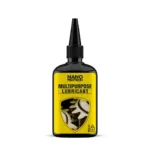
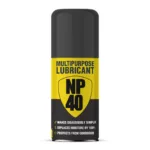
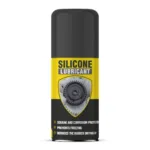
To fix a squeaky door, start with the hinges: most squeaks come from their metal parts rubbing together without lubricant. Hinges on interior, front and car doors are treated with NANOPROTECH New generation multipurpose lubricant, Multipurpose lubricant NP40 or Silicone lubricant, without taking the door off. Spray the hinge from 20–30 cm, wait 10 minutes and open and close the door several times.
What you need
Why a door squeaks and what to put on the hinges
A hinge squeaks when its lubricant has dried out or washed away and dust, moisture and rust have got inside. In a car, the door check strap and rubber seals can squeak as well. All three suit hinges, but their bases and properties differ:
- The New generation multipurpose lubricant, based on highly refined mineral oil, forms a durable invisible coating against squeaks and wear; squeak protection lasts 1 year. It does not freeze down to −40 °C, so it also suits outdoor hinges on front doors, gates and wicket gates, and car door check straps. The 100 ml oiler suits interior door hinges.
- Multipurpose lubricant NP40 has the same base plus a detergent: choose it to displace moisture, protect metal against corrosion and ease the dismantling of rusted mechanisms. It does not evaporate, stays on the hinge as a lubricating, protective layer and is safe for plastic and rubber.
- Silicone lubricant is polymethylsiloxane-based, without mineral oils, for rubbing metal, plastic and rubber parts. It protects against squeaks and corrosion, repels water and does not stain. Use it on hinges with plastic parts and on seals; heavily loaded metal hinges on front doors and gates need the New generation lubricant.
On balcony doors and uPVC windows, apply the New generation lubricant or NP40 thinly to the metal fittings, avoiding the seals, and treat the seals with Silicone lubricant on a cloth.
How to fix a squeaky door hinge — step by step
- Find the squeak. Open and close the door slowly: is it the hinge, the check strap or a seal?
- Clean the hinge. Wipe off dust and dirt with a dry cloth. For Silicone lubricant, also degrease the surface.
- Open up access. Open the door until the joint between the hinge halves is visible. There is no need to take the door off.
- Apply the lubricant. Shake the can and spray from 20–30 cm onto the joint and pin of the hinge, or apply it precisely through the extension tube, if the can has one, or from the 100 ml oiler.
- Wait 10 minutes. The lubricant penetrates the hinge.
- Work the hinge. Open and close the door several times to spread the lubricant. If the squeak remains, repeat the treatment.
- Wipe off the excess. Wipe drips off the hinge and door with a cotton cloth.
If the lock is stiff too, see how to lubricate a lock.
Why it may not work
- It is not the hinge that squeaks. In a car it may be the rubber seals: treat them with Silicone lubricant on a cloth — see what to put on car door seals.
- The hinge was dirty, or the spray missed the joint. The first treatment of a dirty or rusted hinge often just flushes out old dirt. Clean it, aim at the joint and pin, and repeat. Silicone lubricant goes on a clean, degreased surface at 0 °C to +28 °C.
- The hinge is outdoors. Rain, washing and dust remove lubricant from gate and car hinges faster than indoors. Treat them again as soon as the squeak returns, and always before winter.
- The door rubs on the frame or threshold. Grinding at one point of the door's travel may mean a sagging hinge or a misaligned door, which needs adjusting.
Safety precautions
- Do not treat brake discs or pads.
- The can is pressurised and the product is flammable: do not spray it near open flames, hot objects or live equipment. Do not leave the can in the sun, heat it above +50 °C, or puncture or burn it, even when empty.
- Work in a well-ventilated area; because of the technical odour, open the windows when treating interior doors in a flat.
- In case of eye contact, rinse with water; on skin, wash with soapy water. Keep the can out of the reach of children.
Frequently asked questions
What should I put on squeaky door hinges?
On metal hinges, the New generation lubricant: squeak protection lasts 1 year, and it does not freeze down to −40 °C, which matters for front doors. NP40 also works, and Silicone lubricant suits hinges with plastic parts.
What should I use on a car door check strap?
The New generation lubricant: the check strap is a moving metal mechanism. Clean off the dirt, lubricate its arm and mechanism, wait 10 minutes, open and close the door several times and wipe off the excess so dust does not stick.
What should I use on gate hinges?
The New generation lubricant: hinges and locks are among its intended uses, and it does not freeze down to −40 °C. Disconnect automatic gates from the mains before maintenance.
More solutions
- How to lubricate a door or car lock so it does not stick or freeze
- How to lubricate car door seals to stop them freezing and squeaking
- How to lubricate a treadmill deck with silicone lubricant
- How to remove rust from metal: car bodies, tools and fasteners
- How to remove a seized bolt or nut
- Rustproofing car cavities, sills and the underbody yourself
Still have questions?
Describe your task and a NANOPROTECH technical specialist will suggest the right product and how to use it.