 English
  Русский
How to lubricate a door or car lock so it does not stick or freeze
Updated:
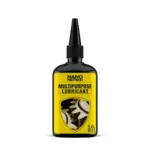
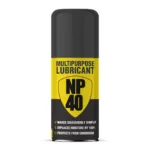
To lubricate a front door, garage or car lock so it does not stick or freeze, use a NANOPROTECH penetrating lubricant — the New generation multipurpose lubricant or Multipurpose lubricant NP40. Apply it in advance, before the frosts, in above-freezing weather, to a clean, dry mechanism, and give it 10 minutes to penetrate. The New generation lubricant does not freeze down to −40 °C, so it suits locks that work outdoors in winter.
What you need
Why a lock sticks and which lubricant to choose
A lock sticks when dirt and moisture get into the mechanism and the metal parts start to rust. In winter, water inside the cylinder freezes and the key will not turn. A penetrating lubricant frees the mechanism and protects the metal from corrosion and moisture.
All three lubricants suit locks, but they differ:
- Locks and hinges are the main uses of the New generation multipurpose lubricant. It quickly penetrates hard-to-access places, frees rusted mechanisms and protects against corrosion, at home and in the car. A 100 ml oiler allows precise application.
- Multipurpose lubricant NP40 displaces moisture, protects against corrosion and makes rusted, jammed mechanisms easier to dismantle. Its oil base does not evaporate and stays on as a lubricating, protective layer; it is safe for plastic and rubber. A common use is treating locks, including car locks, before winter.
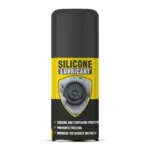
- Silicone lubricant suits metal, plastic and rubber mechanisms; it repels water, prevents freezing in winter, is transparent and does not stain. It is handy for car locks when you treat the door seals too; for the metal cylinder of a front or garage door, the New generation lubricant or NP40 comes first. It is applied at 0 °C to +28 °C.
How to lubricate a lock — step by step
- Choose the time. Treat the lock before the frosts, in above-freezing weather, and keep the can warm before use.
- Clean and dry the mechanism. Remove dirt from the cylinder and let the lock dry. For Silicone lubricant, also degrease the surface.
- Shake the can. This is essential.
- Apply the lubricant. Put it into the cylinder in short bursts through the extension tube, if the can has one, or from the 100 ml oiler. Spray the moving parts of the lock from the outside from 20–30 cm.
- Wait 10 minutes. The lubricant penetrates the mechanism.
- Work the lock. Turn the key several times and open and close the lock to spread the lubricant.
- Wipe off the excess. Wipe around the cylinder with a cotton cloth.
If the door hinges squeak as well, see how to fix a squeaky door.
Why it may not work
- The mechanism was wet or dirty. Clean and dry the cylinder first, then repeat the treatment.
- The lock was treated in frost. The lubricant thickens in frost, and water inside freezes. Apply it in above-freezing weather; Silicone lubricant at 0 °C or above.
- The cylinder has seized. If the key will not turn at all, first free the mechanism with Liquid wrench: let it soak in for 10–15 minutes, carefully turn the key and repeat if necessary. Let it evaporate, wipe away the dirt that runs out, then lubricate the lock.
- It is the door that freezes, not the lock. If the door sticks along the rubber seal, treat the seals: see what to put on car door seals.
Safety precautions
- Do not treat brake discs or pads.
- The can is pressurised and the product is flammable: do not spray it near open flames, hot objects or live equipment, and never heat a lock containing lubricant with a flame.
- Do not leave the can in the sun or heat it above +50 °C. Do not puncture or burn it, even when empty.
- Work outdoors or with good ventilation; because of the technical odour, open the windows when treating the front door lock of a flat.
- In case of eye contact, rinse with water; on skin, wash with soapy water. Keep the can out of the reach of children.
Frequently asked questions
What should I use to lubricate a lock cylinder?
The New generation lubricant or NP40 — penetrating lubricants based on highly refined mineral oil. Apply it through the extension tube or the 100 ml oiler, wait 10 minutes and turn the key several times.
Can I lubricate a lock in winter?
Do it in advance, before the frosts, on a dry mechanism: in frost the lubricant thickens and penetrates less well, and the cylinder may hold moisture and ice. Once applied, the New generation lubricant does not freeze down to −40 °C but thickens in hard frost, so a thin layer is enough.
How often should locks be lubricated?
Once a year, before winter, and again whenever the key turns stiffly or water gets into the lock after washing, heavy rain or a thaw. Treat outdoor gate and garage locks more often, as needed.
What should I do if a lock has frozen?
Do not force the key: lubricant does not melt ice. Let the lock thaw and dry, for example in a warm garage, and then lubricate it.
More solutions
- How to fix a squeaky door: what to put on the hinges at home and in the car
- How to lubricate car door seals to stop them freezing and squeaking
- How to lubricate a treadmill deck with silicone lubricant
- How to remove rust from metal: car bodies, tools and fasteners
- How to remove a seized bolt or nut
- Rustproofing car cavities, sills and the underbody yourself
Still have questions?
Describe your task and a NANOPROTECH technical specialist will suggest the right product and how to use it.