 English
 Русский
How to lubricate a gate: hinges, locks and rollers of sliding gates and sectional doors
Updated:
To lubricate a gate, match the lubricant to the part. Hinges and locks of gates and wicket gates are treated with a penetrating mineral oil lubricant: it protects against squeaks for 1 year, does not freeze down to −40 °C and protects metal against corrosion. Rollers, bearings and metal parts of the mechanism are lubricated with Multipurpose lubricant NP40, and plastic guides and rubber seals with Silicone lubricant. Treat a gate in advance, in above-freezing weather, and disconnect an automatic gate from the mains first.
What you need
What to use on each part
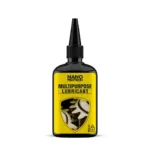
- Hinges and locks of gates and wicket gates — the New generation multipurpose lubricant: it quickly penetrates hard-to-access places, restores mobility to rusted mechanisms and forms an invisible coating that protects against squeaks and wear.
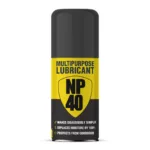
- Rollers and bearings of sliding gates and sectional doors, metal parts of mechanisms — NP40: it displaces moisture, protects metal against corrosion and makes rusted or jammed parts easier to free.
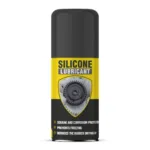
- Guides and rubbing parts made of plastic and rubber, seals — Silicone lubricant: it repels water, protects against squeaks and prevents mechanisms from freezing, and keeps rubber from freezing in place and drying out.
Maintain the motor of an automatic gate and the springs of a sectional door according to the gate manufacturer's instructions.
How to lubricate a gate — step by step
- Switch off the automation. Disconnect an automatic gate from the mains before treatment. Aerosols are not sprayed onto live equipment.
- Clean the mechanisms. Remove dirt, dust and old contaminated lubricant from the hinges, rollers and guides. The surface should be dry.
- Lubricate the hinges and locks. Shake the can of NANOPROTECH New generation multipurpose lubricant and spray it onto the hinges and into the lock cylinder from 20–30 cm, or apply it precisely through the extension tube, if the can has one. Wait 10 minutes for the lubricant to penetrate the mechanism, then open and close the gate several times.
- Treat the rollers and metal parts. Shake the can of Multipurpose lubricant NP40, spray it onto the rollers, bearings and metal parts of the mechanism from 20–30 cm and wait 10 minutes.
- Lubricate the guides and seals. Shake the can of Silicone lubricant and apply it to clean, degreased plastic guides and rubbing parts at 0 °C to +28 °C. Wipe the rubber seals with a cloth sprayed with the lubricant.
- Wipe off the excess. Excess lubricant collects dust, so remove it with a dry cloth.
- Repeat the treatment. Treat an outdoor gate again after rain, as soon as the squeak returns, and always before winter.
Why it may not work
- The squeak came back quickly. Outdoors, rain washes lubricant off and dust clogs it. Clean the hinges and treat them again.
- The lock froze. Lubricant does not melt ice: thaw and dry a frozen lock first, then lubricate it. To keep it from freezing, treat it in advance, in above-freezing weather.
- The lubricant thickened in the frost. The New generation multipurpose lubricant does not freeze down to −40 °C, but like any oil-based lubricant it thickens in hard frost. So lubricate a gate with a thin coat before the frosts.
- The rubber seals were treated with the wrong product. Treat seals with Silicone lubricant on a cloth; the New generation multipurpose lubricant is not used on rubber seals.
Safety precautions
- The cans are pressurised and the lubricants are flammable. Do not spray them near open flames, hot objects or live equipment, and do not heat the cans above +50 °C.
- Do not apply the lubricants to steps, paths or floors: they will become slippery.
- In case of eye contact, rinse with water; on skin, wash with soapy water. Keep the cans out of the reach of children.
Frequently asked questions
What should I use on gate hinges?
The New generation multipurpose lubricant. Hinges and locks of gates and wicket gates are treated the same way as door hinges: spray the lubricant from 20–30 cm and wait 10 minutes. Outdoors, repeat after rain and before winter.
What should I use on sliding gate rollers?
NP40 for metal rollers and bearings: it protects metal against corrosion and makes jammed parts easier to free. Treat plastic guides and rubbing parts with Silicone lubricant.
How do I lubricate an automatic gate?
Disconnect it from the mains first. Then clean and lubricate the hinges, rollers and guides, and maintain the motor according to the gate manufacturer's instructions.
When should a gate be lubricated?
In advance, before the frosts, in above-freezing weather, with a thin coat on a dry mechanism. Treat an outdoor gate again after rain and as soon as the squeak returns.
Will the lubricant freeze in winter?
No. The New generation multipurpose lubricant does not freeze down to −40 °C, but like any oil-based lubricant it thickens in hard frost. That is why gates are lubricated in advance.
More solutions
- How to lubricate a door or car lock so it does not stick or freeze
- How to fix a squeaky door: what to put on the hinges at home and in the car
- How to lubricate car door seals to stop them freezing and squeaking
- How to lubricate a treadmill deck with silicone lubricant
- Squeaky brakes: why they squeak and when cleaning helps
- How to remove rust from metal: car bodies, tools and fasteners
Still have questions?
Describe your task and a NANOPROTECH technical specialist will suggest the right product and how to use it.