 English
  Русский
Car won’t start after rain or misfires after an engine wash: how to protect the electrics from moisture
Updated:
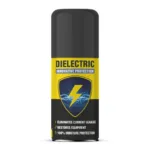
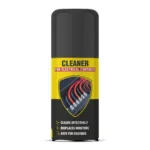
If your car won't start after rain or misfires after an engine wash, the cause is often moisture on the spark plugs, ignition coils and HT leads or in the connectors. De-energise the car, dry and clean the contacts with Electrical contact cleaner, then apply NANOPROTECH Dielectric: it displaces moisture, prevents current leakage and protects the electrics for up to 1 year. To stop it happening again, treat the electrics with Dielectric before washing the engine.
What you need
Why an engine won't start or misfires because of moisture
Water gets onto the plugs, coils and HT leads and into connectors. On a damp surface the current leaks away: the spark weakens or disappears in one of the cylinders, and the engine misfires or will not start. Hence the faults in wet weather and after washing. If moisture stays in connectors, the contacts oxidise and conduct current less well.
So the electrics are first dried, then protected. Isopropanol-based Electrical contact cleaner displaces moisture, removes dirt and oxidation and evaporates completely; it is recommended for drying out the ignition system and wiring. Dielectric also prevents insulation breakdown and leaves a non-drying water-repellent film. If the contacts are already oxidised, see how to clean oxidised contacts.
How to dry and protect the electrics — step by step
- De-energise the car. Switch off the ignition and remove the negative battery terminal: with the ignition off, the alternator, starter and fuse box remain live, and the cooling fan can switch on by itself.
- Let the engine cool. The products are flammable, and a sudden temperature change can damage hot parts. The engine and exhaust manifold should not feel hot to the touch; it is easiest to work on a cold engine, before the first drive.
- Remove the water. Inspect the spark plug wells, coils, HT leads, sensor connectors, fuse box and relays. Remove water from the plug wells by taking out the coils or plug caps, and soak up visible water with a dry cloth.
- Dry and clean the contacts. Shake the can of Electrical contact cleaner and spray into the plug wells and onto the plug caps, connectors and contacts. Let it evaporate completely: no solvent should remain in the wells before starting. Repeat if necessary.
- Apply Dielectric. Shake the can and spray from 20–30 cm onto the ignition coils, into the plug wells, onto the battery terminals, fuse box and relays; on HT leads and the distributor cap, outside only. In connectors, apply a thin layer to the contacts of the separated halves. On the alternator and starter, treat only the outer terminals and connectors.
- Wait 10 minutes. The film does not dry — that is by design. Wipe off drips with a cotton cloth and join the connectors.
- Reconnect the battery. Refit the terminal and start the engine.
- Protect the electrics before washing. Before the next engine wash, treat connectors, coils, plug wells and terminals on a de-energised car and wait 10 minutes. After washing with snow foam or a pressure washer, renew the protection.
How to treat the terminals themselves: what to put on battery terminals.
Why it may not work
- The product went on standing water. Dielectric displaces a thin film of moisture, not a puddle in a plug well or connector. Remove the water first.
- Protection was not renewed after washing. Snow foam and a high-pressure jet strip the oil film: renew the protection and do not aim the jet at connectors and coils.
- Moisture is not the cause. If the engine still will not start or misfires after drying, the plugs, coils or leads may be faulty: get a garage diagnosis.
Safety precautions
- Treat only a de-energised car; never spray near live equipment.
- The cans are pressurised and the products flammable: do not spray near open flames or hot parts. Do not leave a can in the sun or heat it above +50 °C, and do not puncture or burn it, even when empty.
- Do not disconnect or treat airbag connectors: they are serviced at a garage.
- Work outdoors or in a well-ventilated area. In case of eye contact, rinse with water; on skin, wash with soapy water. Keep the cans out of the reach of children.
Frequently asked questions
Why won't my car start after rain?
Most often because of moisture on the plugs, coils and HT leads or in connectors: the current bypasses the plug, and the spark is too weak to start the engine.
Can Dielectric be applied to wet connectors?
To damp ones, yes: it displaces a thin film of moisture. Remove standing water and clean dirty or oxidised contacts with Electrical contact cleaner first, or water will stay under the film.
Can Dielectric be used on a motorbike, quad bike or e-scooter?
Yes for motorbikes, scooters, quad bikes and snowmobiles: they are on the list for Dielectric. On an electric kick scooter, treat only the outer connectors of the hub motor, sensors and lights, with the scooter off and the charger disconnected. Do not treat the inside of the hub motor, the controller, the battery or the charging socket.
More solutions
- How to clean oxidised electrical contacts and protect them from moisture
- What to put on battery terminals to stop corrosion
- How to remove rust from metal: car bodies, tools and fasteners
- How to remove a seized bolt or nut
- Rustproofing car cavities, sills and the underbody yourself
- How to fix rust spots on a car body yourself
Still have questions?
Describe your task and a NANOPROTECH technical specialist will suggest the right product and how to use it.