 English
  Русский
Cold bluing at home: how to blue a knife blade
Updated:
Cold bluing at home is done without heat, using a cold bluing fluid. It restores a natural black colour to damaged outer surfaces of knives and gun barrels and suits steel, brass, copper, silver and bronze, but not stainless steel. Sand and degrease the area, apply thin coats until the colour is deep enough, rinse with water, then coat with gun oil and polish.
What you need
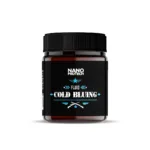
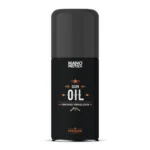
What you can blue at home
Cold bluing metal at home means restoring a protective and decorative dark finish without heating. NANOPROTECH Cold bluing fluid, an aqueous solution of selenium and copper salts with mineral acids, suits these jobs:
- Knives. Bluing restores the black colour of worn spots, scratches and other damage on an ordinary steel blade. The whole blade can be treated too, but then sand and degrease the entire surface evenly and apply the coats uniformly, or the colour will be patchy.
- Brass, copper, silver and bronze parts. The procedure is the same as for steel, including the oil finish.
- Shotgun, rifle and pistol barrels. See cold bluing a gun barrel and parts.
The fluid is not designed for stainless steel, which many knives are made of, so check the blade steel first and, if in doubt, test a small inconspicuous area. On high-alloy steels the colour may be weaker. Do not treat aluminium and its alloys or chrome- and nickel-plated parts. Do not blue kitchen knives or anything else that touches food, or jewellery worn on the body: the fluid is toxic, and the finishing oil is a technical product.
How to blue a knife — step by step
- Protect yourself. Wear gloves and safety glasses and work in a ventilated room.
- Shake the bottle. Shake it well before use.
- Sand the area. Take the damaged area of the blade down to bare metal with 1000-grit abrasive paper or an abrasive pad.
- Degrease the metal. Clean and degrease the area thoroughly and do not touch it with your fingers again: on greasy metal the bluing comes out patchy.
- Apply a thin coat. Use a fine brush or cotton bud, keep the fluid off the cutting edge and leave it to dry for 5–10 minutes. Do not dip the knife in the solution or put a brush that has touched the metal back into the bottle.
- Rinse and dry. Rinse the area with water and wipe it dry at once; there is no need to heat the blade.
- Repeat until the colour is right. Apply further coats, drying and rinsing each one, while the colour keeps darkening.
- Coat with oil and polish. Apply NANOPROTECH Gun oil to the treated area and polish it. The nanocoating sets in 10 minutes; wipe off any excess. Maximum protection forms after 24 hours.
Why it may not work
- The steel is unsuitable. Stainless steel does not blacken; high-alloy steels give a weaker colour.
- The area was poorly prepared. An unshaken bottle, grease (including from fingers) or an old finish left on the metal gives a pale or patchy colour.
- No rinsing or oil. Without them, freshly blued metal can rust. Rinse after each coat, dry at once and finish with gun oil and polishing.
- Fluid got on the cutting edge. The acidic solution etches the thin edge, and the knife cuts worse. If it gets there, touch up the sharpening after bluing.
Safety precautions
The bluing fluid contains mineral acids: it is toxic, harmful if swallowed, causes burns and may harm the unborn child. Wear gloves and eye protection, work in a ventilated room, do not inhale the vapours and do not heat the fluid. If it gets into the eyes, rinse at once with plenty of water; in that case, or if you feel unwell, seek medical advice immediately. Keep the bottle locked up and out of the reach of children, and do not pour the fluid down the drain. Gun oil is a flammable pressurised aerosol: do not heat the can above +50 °C or spray it near flames or red-hot objects, and work with good ventilation.
Frequently asked questions
Can a knife be blued?
Yes, if the blade is not stainless steel and the knife does not touch food. Keep the fluid off the cutting edge.
How many coats should I apply?
Several, while the colour keeps darkening. The instructions set no exact number: each thin coat dries for 5–10 minutes and is rinsed and dried before the next. If another coat no longer darkens the colour, check the steel and the preparation.
How do I prepare metal for bluing?
Sand it with 1000-grit abrasive paper or an abrasive pad, then clean and degrease it thoroughly.
Can brass, copper or silver be blackened?
Yes. Besides steel, the fluid suits brass, copper, silver and bronze, with the same procedure and gun oil protection.
What should I coat metal with after bluing?
Gun oil, applied to the treated area and polished: without it, freshly blued metal can rust. The oil leaves an invisible nanocoating that protects against corrosion for 1 year or more if the storage and use requirements are met.
More solutions
- Cold bluing a gun barrel and parts at home
- How to clean a gun barrel of carbon fouling and preserve a gun
- How to remove rust from metal: car bodies, tools and fasteners
- How to remove a seized bolt or nut
- Rustproofing car cavities, sills and the underbody yourself
- How to fix rust spots on a car body yourself
Still have questions?
Describe your task and a NANOPROTECH technical specialist will suggest the right product and how to use it.